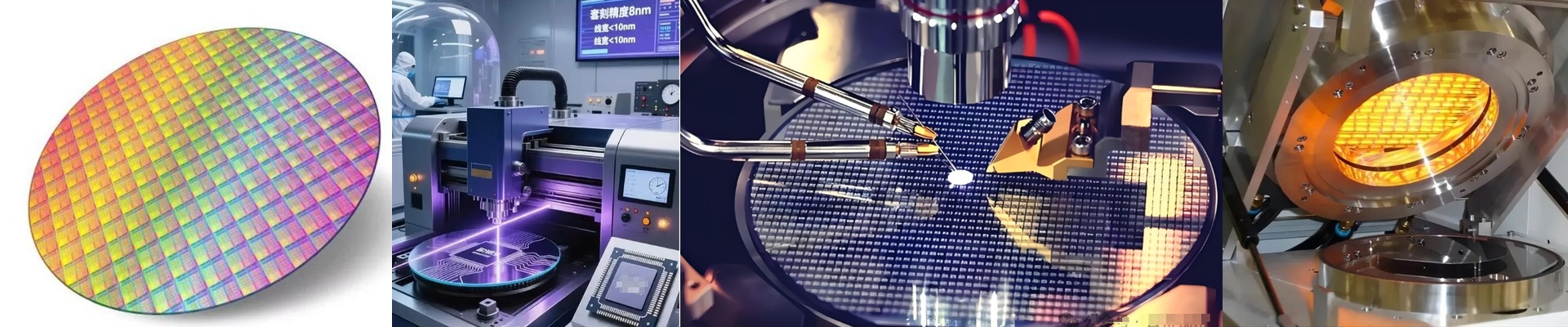

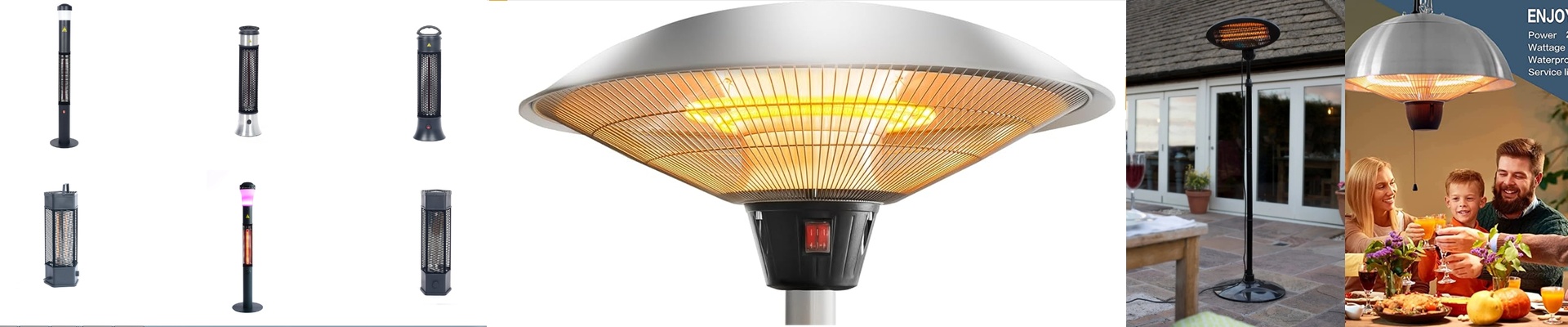
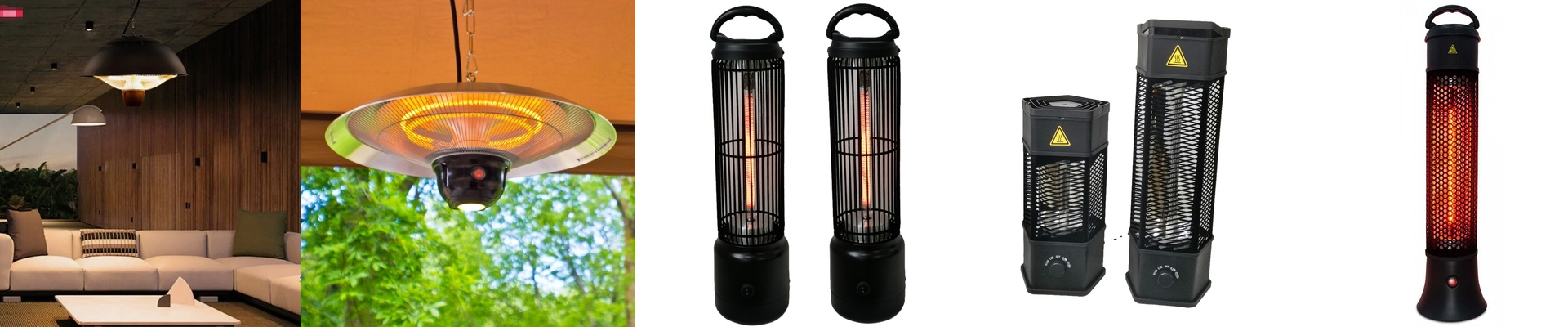

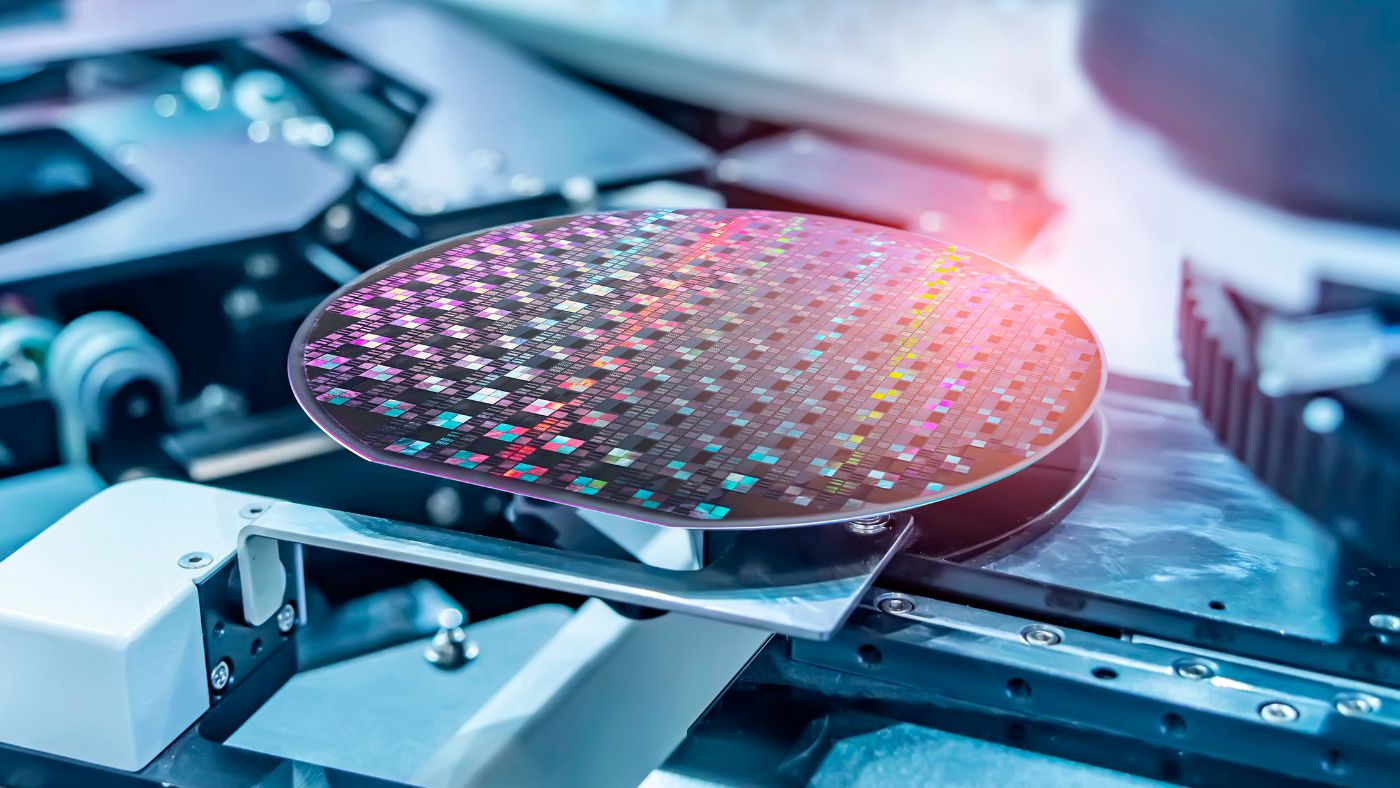
Out on the line, a halogen RTP heater drifting by 0.3°C is enough to throw off your photoresist profile—soft bake footing, hard bake cross-link variance. The lot is suddenly on thin ice. In this business, thermal excursions aren’t just waiting to become defects. They’re already defects, mid-flight. What actually matters under the hood We build these RTP heaters around short-wave infrared halogen lamps and quartz-halogen assemblies because you need heat that’s fast, directional, and low on thermal inertia. The specs don’t bend: wafer-level uniformity within ±0.1°C, temperature repeatability within ±0.5°C, and ramp control that keeps the thermal budget honest for advanced nodes. The heater body is quartz and high-grade ceramic, cleanroom-ready for Class 1–100, and set up to generate zero particles during thermal cycling. We track output stability across 5,000+ hours, with drift under 5%. Why this matters on your floor This heater puts you back in control of RTP troubleshooting. You get clean, repeatable temperature profiles across soft bake and hard bake, which stabilizes critical dimension control and cuts down scumming and footing. Thermal uniformity shows up directly on yield: fewer scrapped wafers, fewer reworks, and a predictable thermal history you can trace for every lot. Power draw is optimized, and unplanned downtime drops because the unit runs 24/7 without hot spots forming or lamps fading early. Here are the practical details that bite you if you ignore them Installation comes down to alignment and lamp seating. You have to hit the chamber axis exactly, and verify the lamps are seated right—misalignment of even 0.5 mm will shift the hot zone and wreck uniformity. Expect a short burn-in period while lamp resistance and thermal coupling settle. And make sure your controller’s PID bandwidth matches the lamp response. Overshoot is the enemy when you’re trying to hold a tight thermal budget. Match the connector interface and voltage class to your platform. If the terminations don’t line up, you’ll get noise that masks the drift you’re trying to eliminate.