

On the lithography floor, you know how it goes: a half-degree drift in bake temperature and your CD starts to wander. One particle, and you’re scrapping more than just a wafer. You run soft bake and hard bake back-to-back, then clean and dry—each step carries the thermal budget forward. If the heater starts underperforming, yield slips before metrology even flags it.
What we focused on, technically
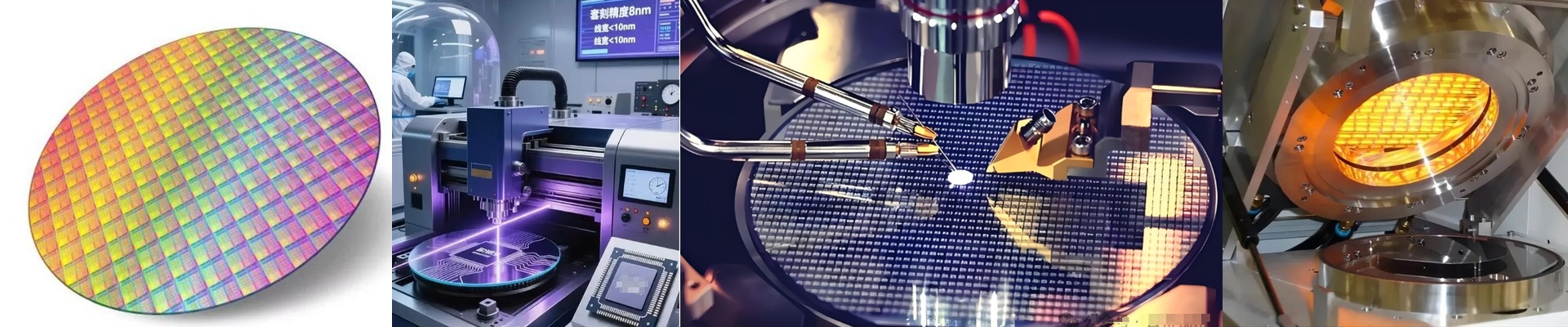
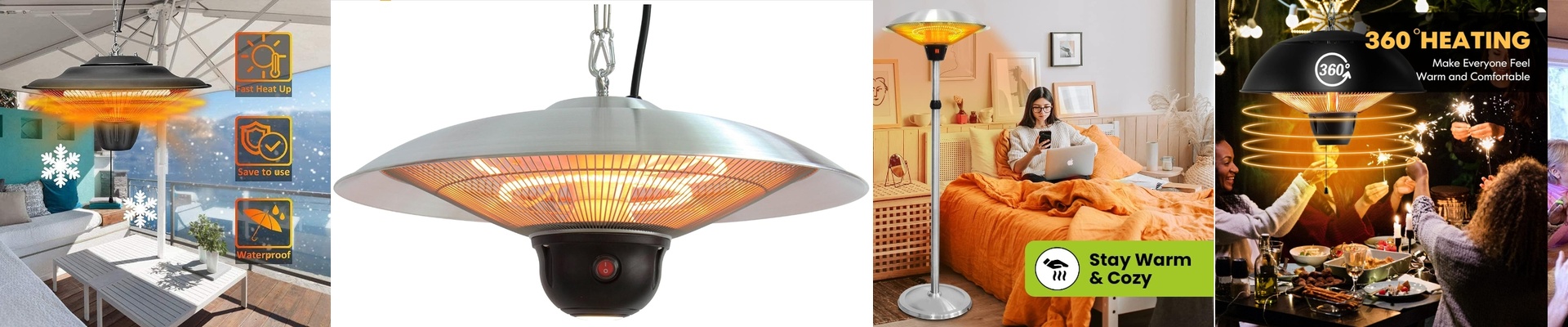
We built a vacuum-compatible infrared heater around short-wave NIR elements and quartz optics, so energy hits the wafer directly and fast. Across the chuck, wafer-level uniformity stays within ±0.1°C, and repeatability is held by closed-loop control with a calibrated sensor traceable to NIST. The chamber interface takes CF/ISO-K flanges, and the body is built for Class 1–100 cleanroom use, with zero particle generation verified by in-situ particle counting. Power density is tuned to match photoresist bake profiles, and the thermal response is quick enough to track recipe steps without overshoot.
Why it plays in fab
In practice, your soft bake and hard bake profiles land the same way lot after lot, which trims CD variation on critical layers. Because the heat is localized and fast, you avoid heating the whole chamber, so energy use drops. And the output stays clean and dry, keeping contamination out of the process. Uptime is the real scorecard: units have run 5,000+ hours with less than 5% output drop, which means fewer interventions and cycle times that stay stable.
What you need to plan for
The heater is vacuum compatible, but thermal mass and radiative coupling can make the chamber wall run hotter than the process window. Plan heat load management up front, confirm flange orientation and clearance, and set the controller PID tuning to match your wafer stack. Once those details are aligned, repeatability is there—but you earn the performance in the install.